

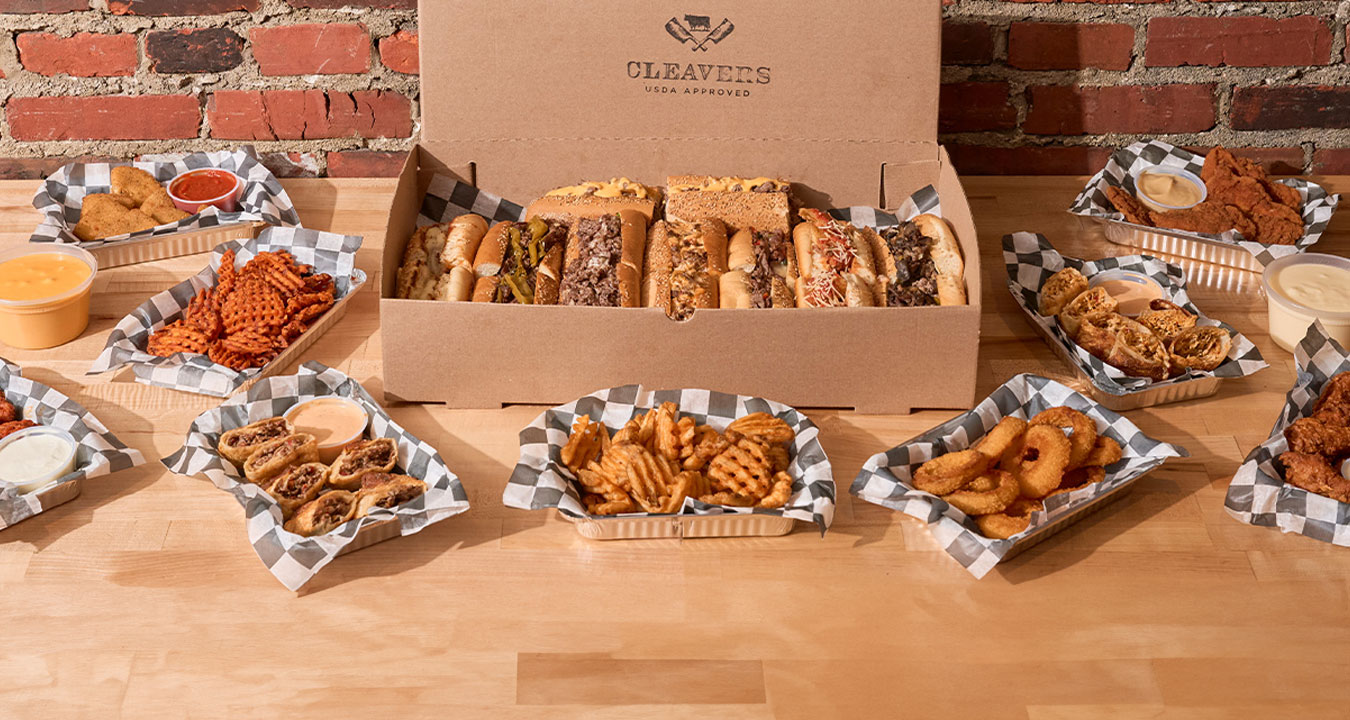
Philadelphia isn’t just the birthplace of American independence—it’s also one of the most historically rich food cities in the United States. From colonial taverns to modern street food, the city’s culinary story reflects immigration, innovation, and bold flavor. Whether you’re a local or visiting for the first time, understanding Philly’s food history adds a whole new layer to every bite.
Colonial Roots: Where It All Began

4
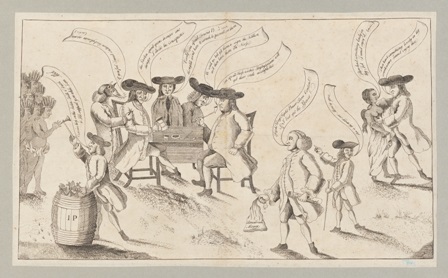
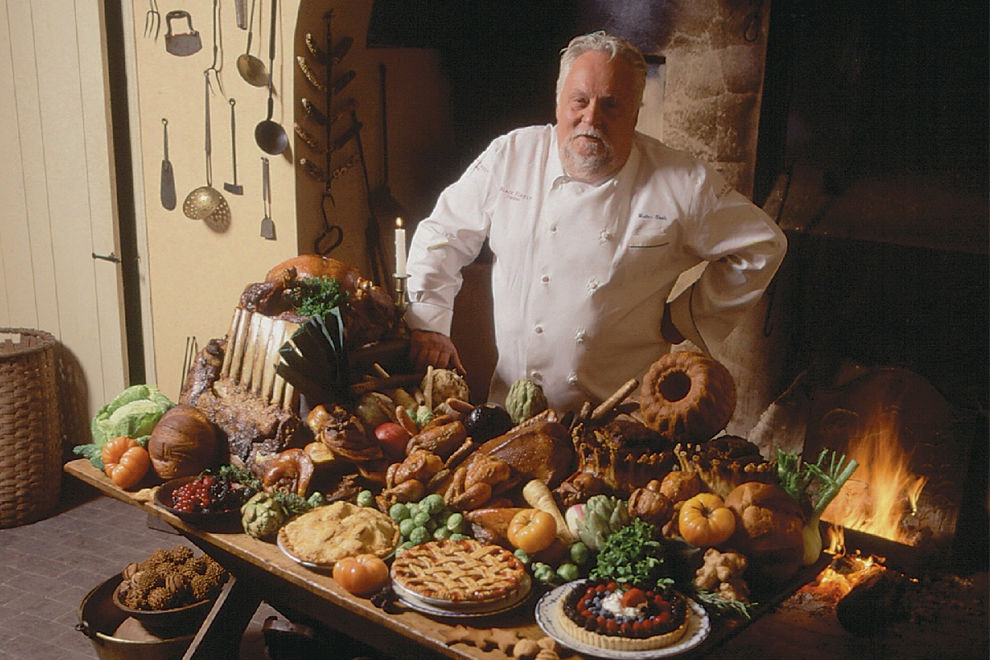
Philadelphia’s food scene dates back to the 1700s, when it was one of the largest cities in the American colonies. Early meals were simple but hearty, influenced by English, German, and Dutch settlers.
Staples included:
- Roasted meats cooked over open hearths
- Fresh bread from local mills
- Seasonal vegetables and stews
- Oysters, which were incredibly abundant and cheap
Markets like the historic Reading Terminal area (established later in 1893 but rooted in early open-air markets) became central to food culture—bringing farmers, butchers, and city residents together.
The Influence of Immigrants

4
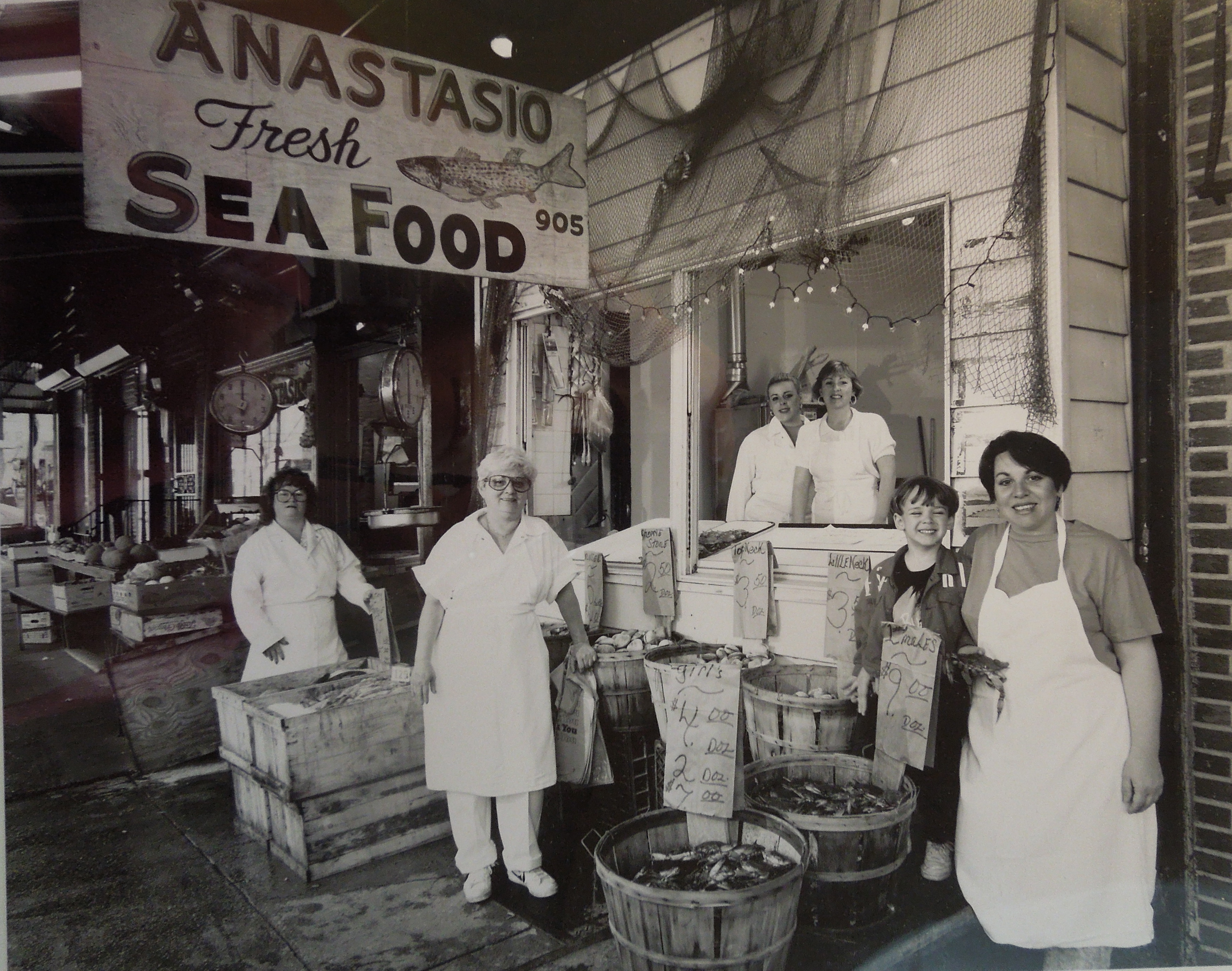
As waves of immigrants arrived in the 19th and early 20th centuries, Philadelphia’s food identity evolved dramatically.
- Italian immigrants brought fresh pasta, tomato sauces, and established the iconic Italian Market
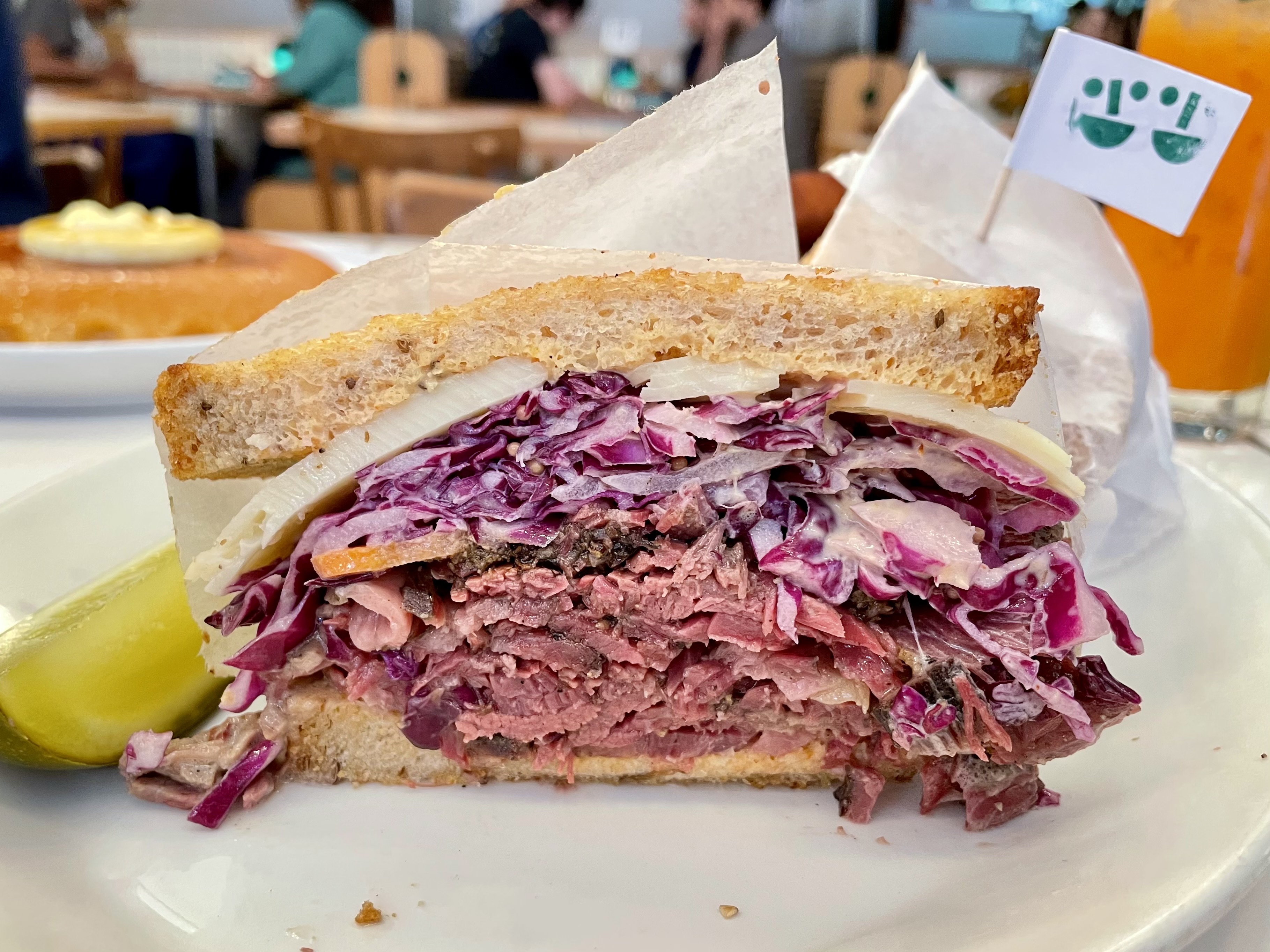
- Jewish communities introduced deli culture—think pastrami, brisket, and bagels
- Irish and German influences shaped pub food and beer traditions
- Asian communities contributed to the vibrant Chinatown food scene
This cultural layering is what makes Philadelphia one of the most diverse food cities in the country today.
The Birth of the Philly Cheesesteak

4
No conversation about Philadelphia food history is complete without the legendary cheesesteak.
In the 1930s, Pat Olivieri, a hot dog vendor, decided to grill some beef and put it on an Italian roll. A cab driver caught the aroma, asked for one, and history was made.
Key elements that define a great cheesesteak:
- Thinly sliced ribeye steak
- A fresh, sturdy roll
- Melted cheese (Whiz, American, or provolone)
- Optional onions and toppings
Today, the cheesesteak is more than just a sandwich—it’s a cultural icon and a must-try for anyone visiting the city.
Reading Terminal Market: A Food Landmark

4
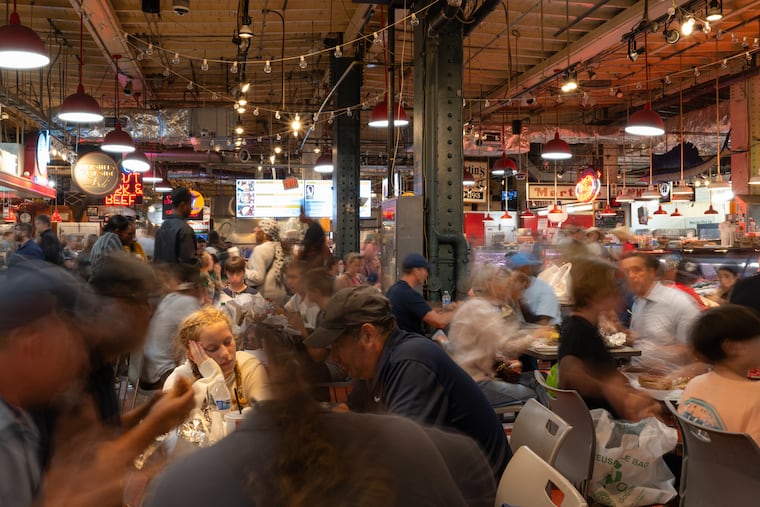
Opened in 1893, Reading Terminal Market remains one of the oldest and most famous public markets in America.
Here, you’ll find:
- Amish baked goods and comfort food
- Fresh seafood and produce
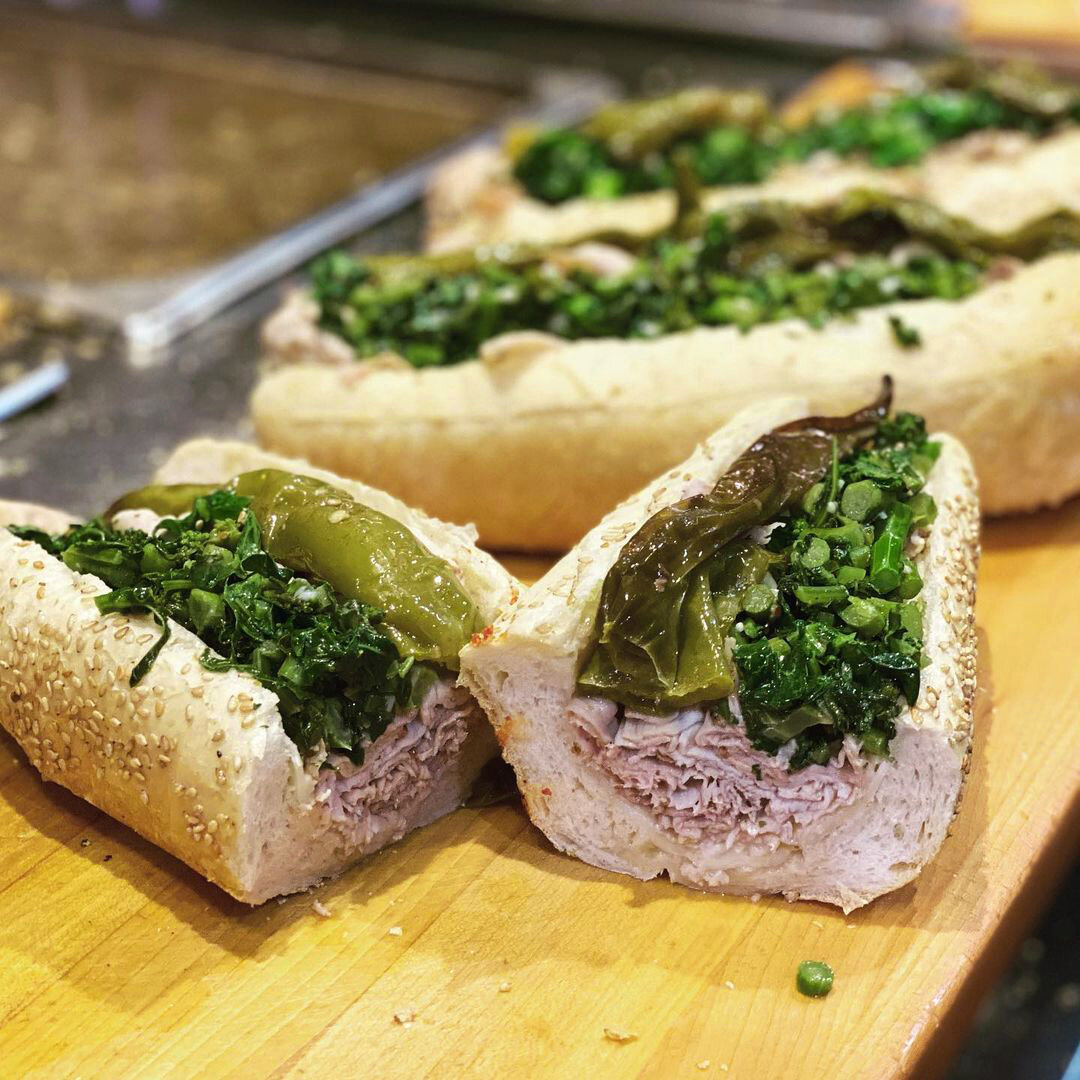
- Classic Philly sandwiches
- Global cuisine reflecting the city’s diversity
It’s a living snapshot of Philadelphia’s culinary evolution—where tradition meets modern flavor.
Modern Philadelphia: Where Tradition Meets Innovation

4
Today, Philadelphia’s food scene blends its historic roots with bold, modern creativity.
You’ll find:
- Gourmet takes on classic cheesesteaks
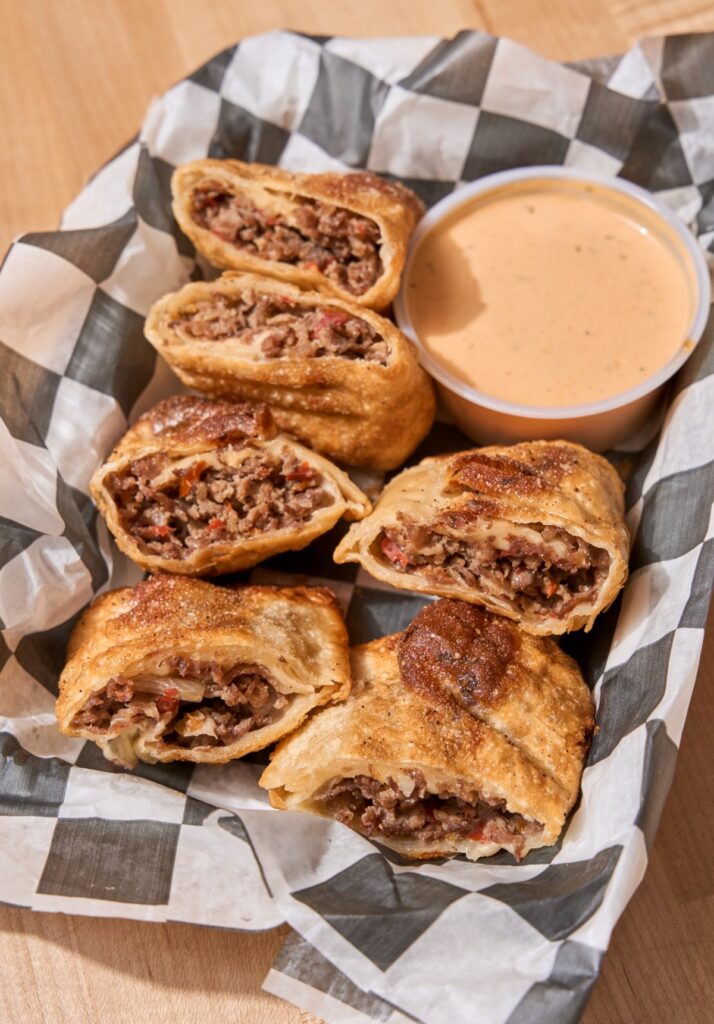
- Fusion foods like cheesesteak egg rolls
- Elevated dining experiences across Center City
- A booming late-night food culture
Neighborhoods like Rittenhouse Square, Fishtown, and University City are packed with restaurants pushing boundaries while still honoring tradition.
Why Philadelphia’s Food History Still Matters
Philadelphia’s culinary story is about more than food—it’s about people, culture, and resilience. Every sandwich, every market, and every recipe tells a story that has been passed down through generations.
For visitors, exploring Philly through its food is one of the most authentic ways to experience the city.
And for locals? It’s a reminder that some of the best flavors in America didn’t come from trends—they came from tradition.
Final Bite
From colonial kitchens to iconic cheesesteaks, Philadelphia has built a food legacy that continues to evolve. Whether you’re grabbing a quick bite or diving into the city’s culinary history, one thing is certain:
Philadelphia doesn’t just feed you—it tells you a story.